Frequently Asked Questions
Frequently Asked Questions
Investing
RMS is a timberland investment management organization, or TIMO. RMS acquires and manages working forests on behalf of investors and integrates core functions across the investment process, including acquisition analysis, forest management, timber marketing and asset disposition. RMS is a private, employee-owned company founded in 1950.
Timberland is a real asset, and timber and land values may respond to inflation and other economic conditions over time. Forest owners may also have some flexibility to adjust harvest timing, depending on biological, market, operational and investment considerations. However, timberland does not provide guaranteed inflation protection, and returns may not keep pace with inflation during any particular period.
RMS integrates investment, forestry and operational decision-making during the period in which an asset is managed by RMS. This approach supports the evaluation of harvest timing, available timber markets, product allocation and operating costs. RMS may also evaluate non-timber uses and property attributes, including recreation and hunting leases, conservation opportunities, and certain water, energy or mineral interests where available and consistent with investor objectives. The availability and value of these opportunities vary by property, market conditions and applicable restrictions.
Investors may consider timberland for its real-asset characteristics, biological growth, potential timber income, potential land appreciation and possible diversification benefits. Actual investment results depend on timber prices, land values, operating costs, property characteristics, management decisions, market conditions and other risks. Timberland is illiquid, and diversification cannot eliminate risk or prevent investment loss.
RMS currently manages timberland investments in the U.S. Southeast, the Pacific Northwest and Brazil and may evaluate opportunities in other timber-producing markets. RMS considers factors such as forest productivity, timber supply and demand, forest-products infrastructure, operating costs, property characteristics and investor objectives when evaluating a region. The U.S. South is an important area of focus because of its timber resources and established forest-products infrastructure.
RMS manages timberland investment strategies for institutional investors and other eligible investors through separately managed accounts and pooled investment vehicles. Availability, investor eligibility, minimum commitments, terms and suitability requirements vary by strategy, vehicle and jurisdiction. Any investment opportunity is offered only through the applicable offering documents and in accordance with applicable law.
Forestry
RMS actively manages forest stands throughout their biological and economic life cycles. Depending on property conditions and management objectives, practices may include planting selected seedlings, preparing sites based on soil and terrain conditions, and conducting appropriately timed thinnings. RMS also considers soil productivity, water quality, wildlife habitat and applicable investment objectives when planning forest-management and harvesting activities.
Tree genetics are an important consideration in RMS’s reforestation planning process. RMS evaluates seedling families based on factors such as site conditions, expected growth characteristics, disease tolerance, wood characteristics and management objectives. Where appropriate, site specific prescriptions for genetics are employed to optimize growth, tree quality and forest health across the forests we manage. RMS’s operating scale creates advantages in accessing available genetics and managing cost that accrue directly to the timberlands we manage.
RMS monitors forest health and evaluates potential threats, including pests, disease, fire and severe weather. Field personnel and, in some circumstances, recreational licensees may report observed conditions that warrant further review. Early identification may provide additional options for responding to certain pests, diseases or other forest-health concerns. At the portfolio level, diversification across regions, species and end-use markets may help reduce concentration in particular risks, but it cannot eliminate risk entirely or prevent investment loss.
RMS considers regulatory requirements and recognizes forestry Best Management Practices in planning and conducting forest-management activities. These practices are intended to support water-quality protection and responsible forest management. RMS also engages with state wildlife agencies, the U.S. Fish and Wildlife Service, and conservation organizations on matters affecting working forests and wildlife habitat. RMS participates in the Wildlife Conservation Initiative and Conservation Without Conflict.
RMS directly staffs core forestry and investment-management functions while working with regional contractors and service providers where appropriate. This structure is designed to support coordination, continuity of property knowledge and clear accountability across the portfolios we manage. In many cases, RMS foresters have managed the timberland for decades creating the opportunity to build meaningful knowledge, our integrated management approach allows this knowledge to be transferred to the next generation of RMS forestry professionals.
RMS evaluates site conditions, timber growth, market conditions and each stand’s stage in its biological and economic life cycle. Depending on property objectives and applicable constraints, RMS may adjust harvest timing or harvest type toward different available markets. These decisions are intended to support long-term forest-management and investment objectives, although market, biological and operational conditions can affect outcomes.
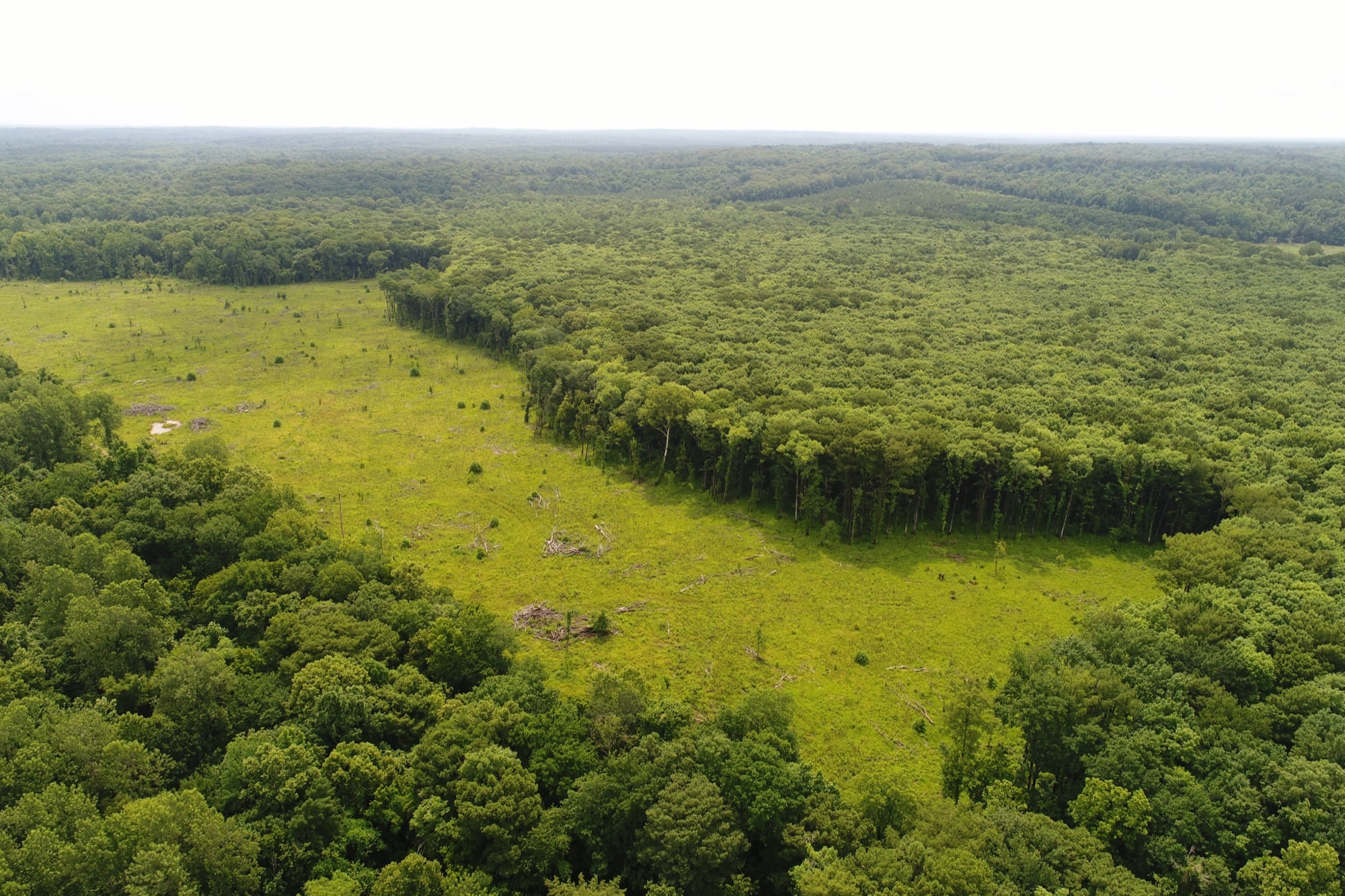
For RMS, healthy forests, healthy ecosystems, and long-term value tend to reinforce each other. Our policy is every acre of RMS-managed forestland will be certified to the Forest Stewardship Council® or a Programme for Endorsement of Forest Certification recognized forest management standard (in the United States this is the Sustainable Forestry Initiative®) or both. Moreover, acres certified to either or both standards are subject to both a rigorous internal audit program and an annual, rigorous third-party external audit. RMS has a specific plan for every silvicultural and harvest activity that take place in the forests we manage that addresses both financial and environmental impacts of these activities. We plant or naturally reforest after every harvest, and we protect water quality and soil productivity and incorporate stand and landscape wildlife habitat considerations into every management and harvest plan.
Our Approach to Forest Management